
If rivers are the veins of the land, then communities are the heartbeat. Nowhere is this metaphor more vividly lived than in Upper Ruya, where villages, small towns, farms, and cooperatives rely on every drop that flows from the catchment. And nowhere is it clearer that real change begins at the grassroots.
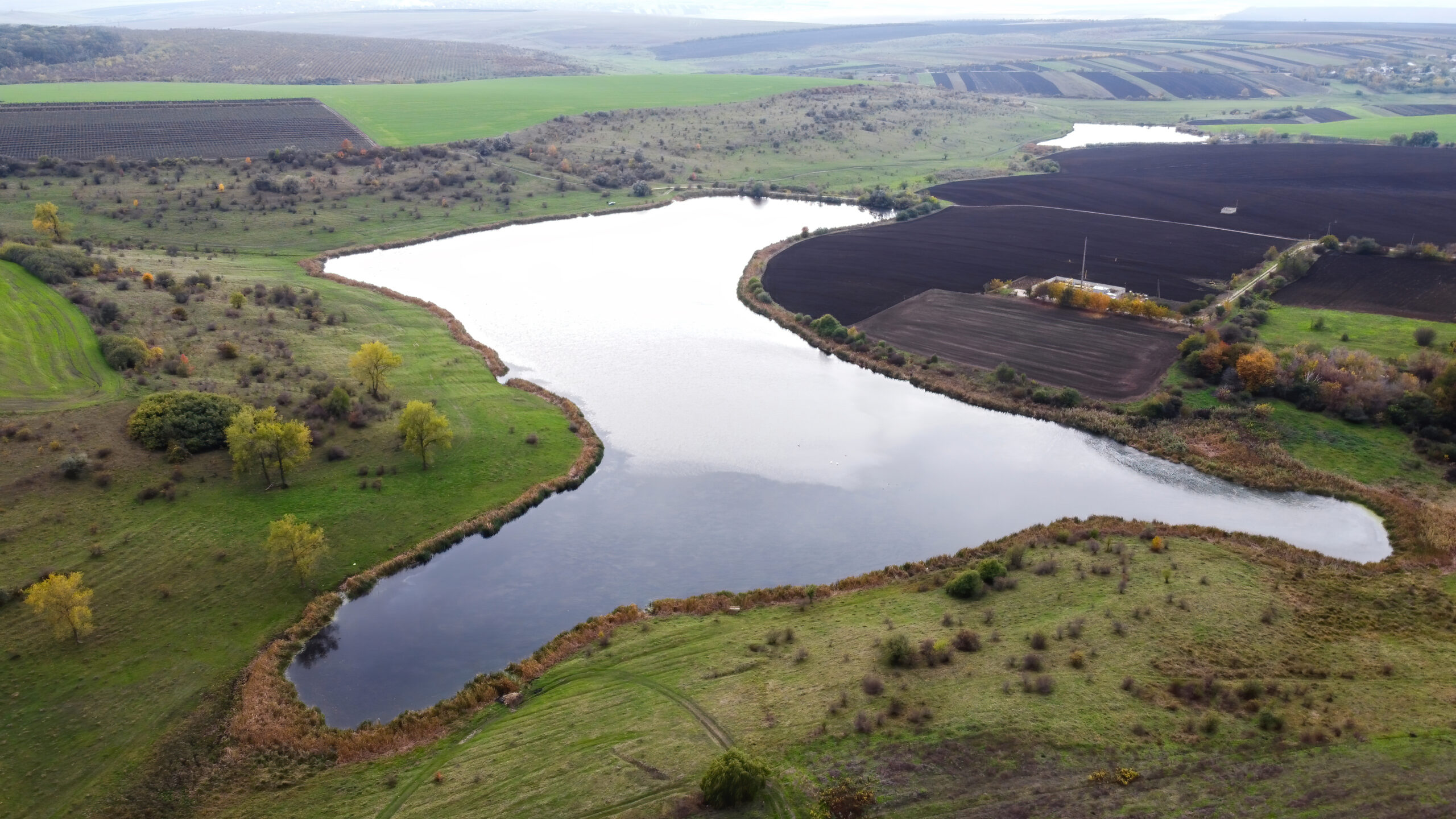
This post examines the critical role that community-led water conservation plays in sustaining the rivers, streams, wetlands, and aquifers of the Upper Ruya region — not as a romantic ideal, but as a tested and essential strategy for survival.
Understanding Community Water Stewardship
When most people think of water conservation, they picture engineers, hydrologists, and regulators. But some of the most impactful conservation work is done by ordinary residents, often with no formal training — digging swales, protecting wetlands, educating children, or organizing seasonal clean-ups.
Community stewardship means:
- Ownership of local water challenges
- Participation in monitoring and enforcement
- Voluntary labor in restoration projects
- Integration of indigenous knowledge with science
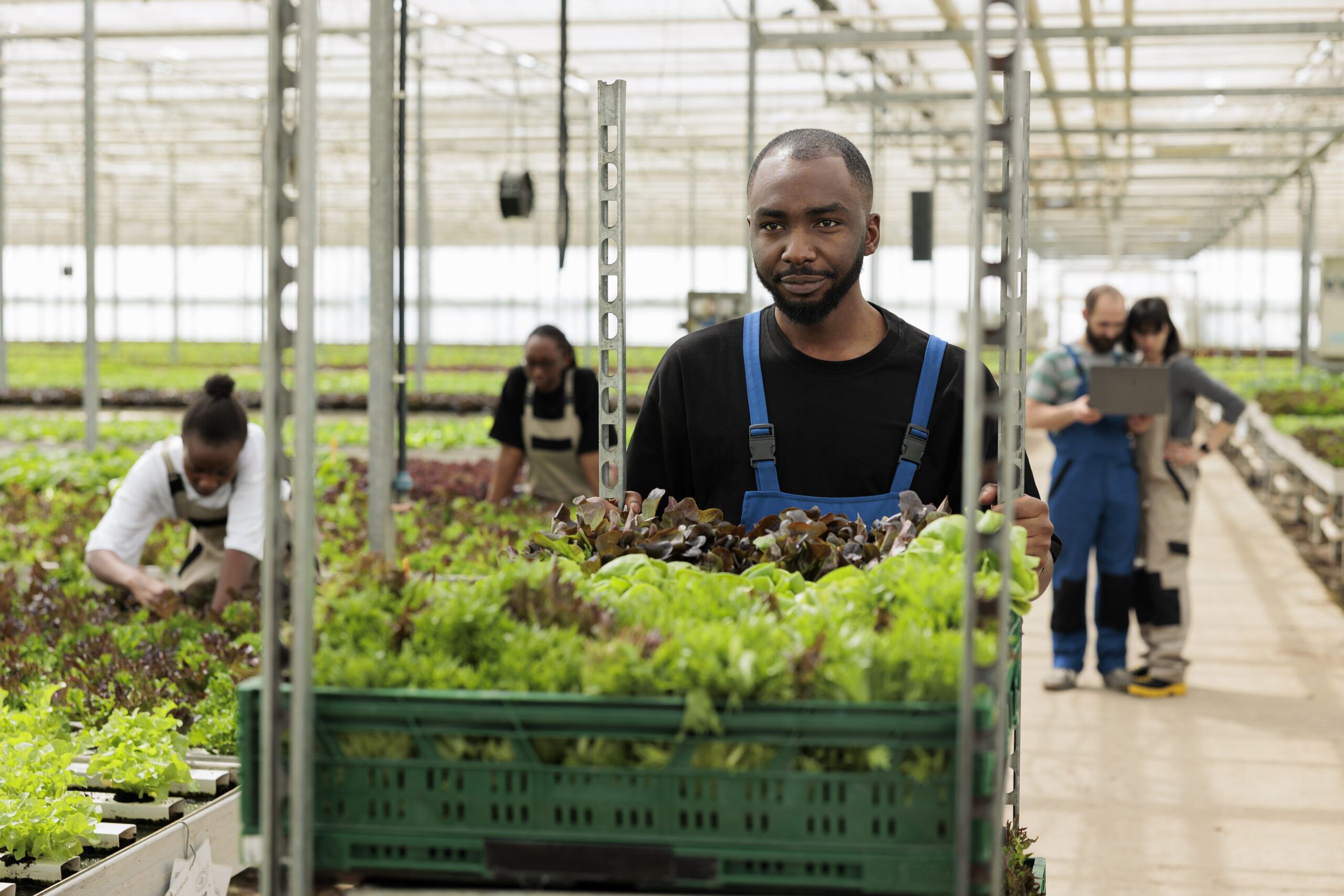
This approach makes conservation more sustainable, more affordable, and more resilient against political or funding shifts.
What Does a Community-Led Water Conservation Model Look Like?
Here are real-world examples of what community leadership looks like on the ground:
1. Riverbank Protection Committees (RPCs)
These are community-formed watchdog groups who patrol riverbanks, report illegal sand mining or water pollution, and engage land users in dialogue. In some wards of Shamva and Bindura, RPCs have stopped unregulated brick-making operations and forced culprits to rehabilitate the damage.
Result: Less erosion, better water clarity, and increased biodiversity.
2. Wetland Watch Teams
Wetlands are nature’s water reservoirs, but they are often the first casualties of farming expansion. Local groups trained by environmental NGOs now monitor wetlands during rainy seasons to prevent cultivation or dumping.
In Gweshe and Madziwa areas, elders and schoolchildren jointly monitor sensitive wetlands — blending traditional respect for sacred spaces with practical ecological education.
3. Spring Protection by Youth Clubs
Young people from churches and schools have been mobilized to fence natural springs, plant indigenous trees around them, and educate households about the importance of not washing clothes or bathing directly in spring catchments.
In one initiative, a youth club in Chiwaridzo rehabilitated an abandoned spring that now supplies 60 households with clean water — year-round.
Empowering Communities Through Training and Resources
For community leadership to flourish, it must be supported — not just applauded. The Upper Ruya Sub-Catchment Council, together with partners like EMA and Zinwa, plays a vital role in:
- Training community water monitors
- Providing basic tools (hoes, gumboots, fencing wire)
- Developing bylaws with community input
- Recognizing best-performing villages and clubs
These are not handouts. They are investments in local capacity.
Traditional Leadership as Conservation Custodians
Chiefs, headmen, and village heads wield enormous influence. When they champion conservation, the message carries deep cultural weight.
Some chiefs have declared no-plough zones near streams. Others have helped mediate disputes between upstream and downstream farmers. These customary interventions complement formal water laws — creating a hybrid governance model that is both modern and rooted in ancestral wisdom.
Women as Water Guardians
Across Upper Ruya, women shoulder the burden of water access. They fetch, store, purify, and use water for domestic and agricultural purposes.
That makes them natural leaders in water conservation. When women are trained in water safety, greywater recycling, or organic farming, the ripple effect reaches entire households and communities.
The Council supports women-led water committees — especially in areas where climate shocks hit hardest.
Measuring Success: What Are the Results?
Community-led water initiatives have produced tangible improvements:
- Riverbanks have been reforested
- Illegal water use has declined
- Spring yields have improved
- Drought coping strategies have spread
- Conflict over water has dropped
These results are not anecdotal. They are visible in flow meters, satellite maps, crop yields, and most importantly — in community trust.
Final Word: Don’t Wait for a Hero — Be the Steward
Water challenges in Zimbabwe are immense. But so too is the capacity of its people to meet them.
Each well-kept garden, each protected wetland, each child who understands the value of a river — that is the real infrastructure of resilience.
Communities are not passive beneficiaries. They are the first responders, the innovators, the storytellers, and the sentinels.
Water conservation does not begin in Harare. It begins in Madziwa, in Mt. Darwin, in Bindura, in your village, your yard, your bucket.