
Water is a finite resource — and nowhere is this more apparent than in the agricultural zones of Upper Ruya, where the soil is rich, the climate is shifting, and the margins for error are razor-thin.
As climate unpredictability intensifies and population pressure mounts, efficient water use is no longer optional. It is a matter of economic survival and environmental stewardship. This article outlines proven water-saving techniques every farmer — from smallholder to commercial — can implement to secure both harvest and heritage.
The Current State of Water in Upper Ruya
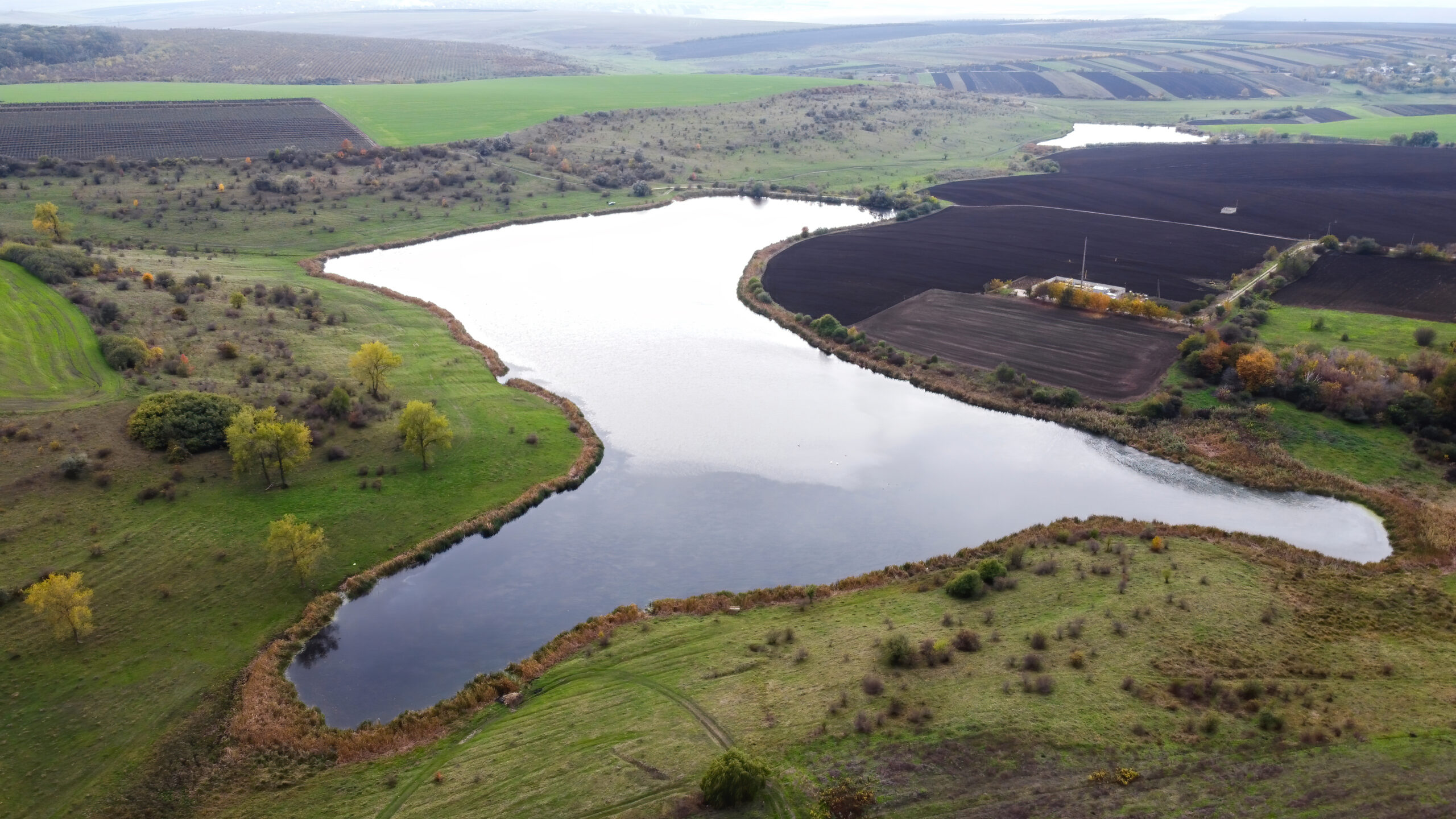
The Ruya River and its tributaries have long served as the agricultural lifeline of the region. But in recent years, seasonal flow variability, siltation, and erratic rainfall have threatened this equilibrium. Fields that once thrived with maize, groundnuts, and vegetables now face mid-season stress. Boreholes dry earlier. Wells collapse into disrepair.
It is within this context that water-smart farming practices must emerge — not as experiments, but as essentials.
1. Drip Irrigation: Precision Over Power
Traditional overhead sprinklers waste up to 50% of water due to evaporation and runoff. Drip irrigation, by contrast, delivers water directly to the root zone of each plant.
Why it works:
- Reduces evaporation and deep percolation.
- Minimizes weed growth by targeting specific plants.
- Saves energy by operating at lower pressure.
Getting started: Farmers can build low-cost drip systems using plastic piping and gravity-fed tanks. Organizations and the Sub-Catchment Council may offer subsidies or training for installation.
2. Mulching: The Blanket That Saves Moisture
A simple, age-old technique that remains incredibly effective: covering soil with organic matter like dry grass, banana leaves, or wood chips.
Benefits:
- Reduces surface evaporation.
- Prevents erosion during heavy rains.
- Suppresses weeds that compete for water.
In Upper Ruya, mulching is particularly useful in vegetable gardens, banana plantations, and tobacco nurseries.
3. Contour Ridges and Planting Basins: Let the Land Work for You
Land shaping techniques like contour ridges, swales, and infiltration pits slow down water flow, allowing it to sink into the soil instead of running off.
Example:
- In sloped areas of Mazowe or Bindura South, digging small basins or “zai pits” captures rainwater and stores it for the roots during dry spells.
These structures reduce water loss and improve soil structure, making farming more productive even in semi-arid stretches of the catchment.
4. Rainwater Harvesting: Every Drop Counts
Why let clean rainwater run off your roof or garden when you can harvest it?
Tools you can use:
- Gutters on rooftops feeding into drums or underground tanks.
- Earth ponds or lined reservoirs that store runoff for irrigation.
This approach is especially important in schools, churches, and clinics, where water demand is steady but supply is vulnerable.
Rainwater harvesting can be scaled — from a 200-liter barrel to a 20,000-liter ferro-cement tank — depending on your needs.
5. Soil Health = Water Efficiency
Healthy soil holds water better. Farmers must see composting and cover cropping not just as fertilizer strategies but as water-saving measures.
Practices to embrace:
- Organic compost: Improves water retention capacity.
- Cover crops like cowpeas or velvet bean: Prevent soil hardening and erosion.
When soil is living, breathing, and rich in microorganisms, it acts as a sponge — extending the life of each raindrop.
6. Smart Cropping: Grow What Makes Sense
Water-wise agriculture means choosing the right crop for the right time.
- Short-season varieties of maize or sorghum help beat mid-season drought.
- Intercropping with legumes can reduce overall water demand while improving yields.
- Agroforestry systems with indigenous trees reduce wind evaporation and restore catchment biodiversity.
Farming smarter doesn’t mean farming less — it means farming strategically.
Why URSCC Is Championing These Practices
The Upper Ruya Sub-Catchment Council is committed to training farmers and extension officers in water-saving agriculture. Workshops, demonstration plots, and partnership programs with Agritex and NGOs are already in motion.
Farmers are encouraged to reach out to the Council to register for:
- On-farm training sessions
- Group visits to demo fields
- Seed and equipment grants (where available)
Final Thought: You Can’t Grow What You Can’t Water
Agriculture in Zimbabwe is the backbone of local economies. But no seed, no skill, and no fertilizer can replace what water does — it is the beginning of life itself.
Let us treat it as such: with reverence, with care, and with wisdom.